


American Ailments Require Many Products & Services
The United States now has a population of over 330 million people, and unfortunately, many of them are not in the picture of health. Whether it is due to aging, genetics, or even just lifestyle choices like diet, many Americans suffer from ailments. These symptoms range from inconvenient to potentially life-threatening if they are not properly managed.
Because of this, many Americans have an ongoing interest in trying to find ways to help manage or alleviate their ailment.
Some examples of conditions that have needs for a variety of different products and services are:
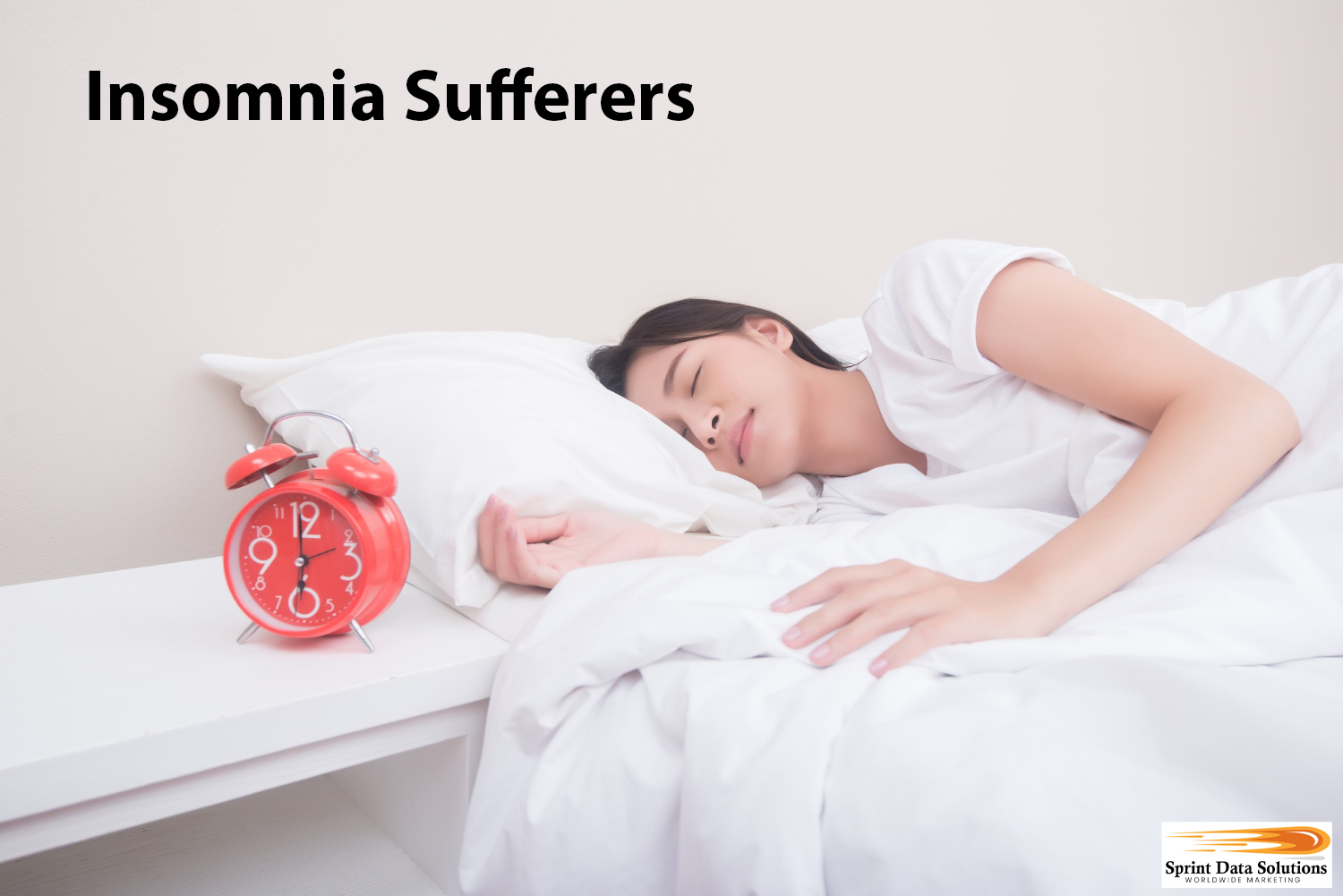
Insomnia Sufferers
There are many possible reasons why insomnia, or the inability to get a good night’s sleep, can occur. Some types of insomnia may be directly related to a physical ailment, while others may be stress related. As a result, a diagnosis of insomnia doesn’t guarantee that the right treatment is given immediately. Many people with insomnia must try a broad spectrum of treatments before finding the right one, leaving this condition open to various products and services.
Erectile Dysfunction
Similar to genital warts, but specifically for men, erectile dysfunction is often the type of treatment many men prefer not to buy products for in public spaces. Both the diagnosis and treatment of erectile dysfunction typically favor more private, anonymous interactions, which makes online and direct mail transactions a preferred means of addressing the issue.
Atopic Eczema Sufferers
Eczema is often a long-term skin condition that, while not usually lethal, is often uncomfortable and accompanied by chronic itching. Because eczema usually has no cure, pain and discomfort management are lifelong habits requiring accompanying purchases. There’s usually a high interest among eczema sufferers to find new and better topical creams to address itching and skin conditions.
Sleep Apnea Sufferers
Sleep apnea can potentially be a dangerous disorder as sleepers chronically stop breathing and are unaware of this due to being unconscious. Even without the danger of oxygen deprivation, some forms of apnea can also result in loud snoring, which can be a source of sleeplessness for others in the room. Unsurprisingly, there’s a large market for products and services related to treating sleep apnea or associated symptoms and side effects.
Anaphylaxis
Anaphylaxis is, in some ways, a bizarre disorder, as it is a dangerous “overcompensation” of the immune response that is normally there to help people fight illness. Anaphylaxis puts the immune response into overdrive and can cause the body to go into shock, lose blood pressure and even result in death, as the body goes overboard in a hyper allergic reaction to fight something off.
Because of the extreme risk anaphylaxis represents, there is a great interest in products and treatments or other services that can help manage this condition, but during emergency situations and as preventive measures.
Cellulitis Sufferers
Like eczema, cellulitis is another skin disorder that can result in painful redness and swelling. The bacterial infection that causes this can spread to other body parts, so consistent treatment is important. Cellulitis sufferers must be vigilant about managing their condition and always look for new products or services that can help relieve and alleviate the condition’s symptoms.
Cystitis Sufferers
While usually not a serious condition, cystitis can typically result in a bladder or urinary tract infection, also known as UTI. This is more of an annoyance or discomfort than a life-threatening illness and is more common in women.
As a result, however, this also means that many women with cystitis usually experience it more than once over their lives and are looking for products or services that can help to manage symptoms or treat the disorders in those times when flare-ups occur.
Abdominal Aortic Aneurysms
For people who have been diagnosed with abdominal aortic aneurysms, there are usually some serious and rapid adjustments that need to be made to daily life to cope. An aneurysm situation can rapidly degenerate if it is not taken seriously, with severe symptoms like dizziness and lower body pain.
Keeping blood pressure low and other treatments associated with heart conditions are part of the process of managing abdominal aortic aneurysms. This means that associated products and services for dealing with the condition are always high on the radar of these sufferers.
Sickle Cell
Sickle cell disease is an inherited, family/genetic disorder passed on to the next generation. It results in defective red blood cells that are not as efficient at delivering the oxygen the body requires. This usually means anemia and other symptoms for sufferers, who must very carefully maintain themselves.
Symptoms like dizziness, jaundice, pain, and even strokes are possible consequences of ignoring the limitations sickle cell disease imposes on a sufferer. Different products and services become important for sufferers to help manage or mitigate the symptoms and allow them to more closely live a normal life without having to sacrifice too many experiences that most people take for granted.
Varicose Vein Sufferers
3 in 10 adults are affected by this, but in most cases, varicose veins, which result in enlargement and darkening of veins closer to the surface of the skin, usually cause cosmetic changes. However, for some people, especially in the legs, varicose veins can cause pain and discomfort, but there is no cure for this condition.
This means varicose vein sufferers must manage the condition, which calls for various products and services for different needs during the management process.
Stroke Victims
A stroke can be a frightening and painful experience, but unfortunately, there may be lingering symptoms even after the incident. Paralysis, pain, numbness, fatigue, urinary or bowel incontinence, and even depression or inability to concentrate or remember are all possible after-effects of a stroke.
Because the range of symptoms is so varied, different stroke victims will often require different products or services to treat their condition. Someone who needs treatment for depression and anxiety will have additional service or product requirements from someone who needs medication for pain management.
Liver Disease
Unfortunately, the only consistent cure for liver disease is a liver transplant, but quantities are understandably limited, depending on the availability and viability of an organ to a patient. For many, this means dealing with symptoms like jaundiced skin, nausea, vomiting, itchy skin, and vulnerability to visible bruising.
Liver disease sufferers need various products and services to manage their specific symptoms, making for a highly engaged market that is always on the lookout for something to help improve the quality of life while fighting the disease.
Diabetes Type II
As with some other conditions, diabetes is a lifelong condition that can’t be cured, but it must be managed. This usually entails certain dietary and lifestyle restrictions and the regular use of medications, such as insulin injections, to regulate body sugar levels.
While diabetes can be life-threatening if ignored, diligent care usually results in more manageable symptoms, such as increased susceptibility to infections, weight loss, and numbness or tingling in the extremities.
Arthritis Sufferers
Arthritis is another condition that has no cure once it has been diagnosed. It is most common in seniors, although adults of varying age ranges can also contract it. The most common symptoms of arthritis are inflammation of the muscles resulting in pain, swelling, and often reduced mobility in affected limbs.
It’s no secret that many people with arthritis struggle against discomfort and actively seek products and treatments to help with these symptoms. CBD, for example, has been making great strides in the senior community as a popular pain management treatment with no addictive side effects.

Asthma Sufferers
Asthma is another lifelong condition with no cure once a diagnosis has been made. As a respiratory condition primarily affecting the lungs, asthma symptoms include shortness of breath, coughing, hyperventilation, and more severe allergic reactions.
Asthma sufferers must regularly self-medicate with inhalers to manage the condition, although other products and services can also be useful in helping to handle the situation.
Ulcer Sufferers
Ulcers have various causes, from easily tracked medical reasons with a physical root, to prolonged stress, eventually causing digestive issues. Because of this, managing ulcers, and the digestive discomfort caused by them, run various methods and products.
Depending on the cause of an ulcer, medication for digestive management or aids for relaxation and destressing may be more appropriate. A wide variety of products and services can be applied to the different types of ulcers and their causes.
Bipolar Disorder
Bipolar disorder is a psychological condition that can result in extreme emotional swings. This can display as “manic” phases where the person may feel extreme energy and positivity and then abruptly crash into “depressive” phases, more typical of a chronic depression condition.
Prescription medication is one way to help manage and maintain a balance in emotional states, but since this is also a psychological condition, various products and services that require no prescription can often be effective at helping with regulation.
Allergy Sufferers
Although usually not lethal, allergies can nevertheless have a measurable, negative impact on the lives of sufferers. People with allergies to specific types of dander in fur, for example, can’t be the owners of pets like cats or dogs. Allergies have many different sources, such as peanuts, seafood, pollen in the air, and animals.
Because of this, while some off-the-shelf medications can help mitigate allergy symptoms, allergy sufferers are still actively interested in new and better ways to manage their condition. The variety of allergies contributes to the wide-ranging interest.
Chronic Pain
There is a massive demographic of sufferers who experience what can only be ambiguously described as “chronic pain.” This can result from a whole raft of possible conditions, from arthritis, to indigestion to skin conditions like eczema.
Because chronic pain has so many possible causes, there are similarly many different ways to manage it. Temporary relief can come from prescription medications, off-the-shelf purchases, or specific services like chiropractic treatment, massage therapy, and many others. Chronic pain sufferers are a giant market to tap into, but it’s important to offer the right product or service to the right.
High Cholesterol
This condition is often a result of lifestyle choices, such as the dietary selections consumed during meals, so it’s no surprise that in a country that loves its food as much as America, many people would have high cholesterol that needs to be managed. One of the more worrying aspects of the high cholesterol condition is that it displays no symptoms. However, should levels get too high, it can lead to chest pains, strokes, and potentially heart attacks.
Because managing high cholesterol is usually more the result of changing lifestyle and diet choices, many dietary and exercise products and services go a long way toward helping people manage this condition.
COPD
Chronic obstructive pulmonary disease is a general term for a grouping of diseases that cause blockage to airflow. The result is difficulty breathing, coughing, wheezing, mucus, phlegm, and other symptoms that many today who have had COVID may be familiar with. Previously, COPD was more likely in people who smoked or had chronic conditions like asthma.
Because several diseases cause COPD, there are several approaches to managing it. That requires different products or services, depending on the cause of the disease, creating new inroads for marketing, provided the right solution is lined up with the right cause of COPD.
Lactose Intolerance
This is another lifelong condition that is not strictly a disease, so much as a sensitivity to a component of foods that don’t bother most people. Unfortunately, the symptoms of lactose intolerance, while not necessarily lethal, can still be unpleasant to experience, such as diarrhea, stomach cramps, bloating, gas, and many other issues associated with indigestion.
While diet management is often the most effective choice for handling the condition, some products and services, such as medications, can help mitigate the symptoms, and products, such as specific types of food, to help people with their dietary choices.
Cirrhosis
Cirrhosis refers to scarring on the liver and impairs its ability to function. Cirrhosis arises from several liver diseases, but it can also be caused by a specific action, such as excessive alcohol consumption that pushes the liver beyond its capacity to filter toxins out of the body properly.
Symptoms of cirrhosis can range from fatigue to nausea to jaundiced eyes and skin and even water accumulation in the abdomen, affecting body shape. Because of the numerous range of symptoms and the cause resulting from disease or dietary choices, a huge range of different products and services can be appropriate to either manage the symptoms themselves or help curb the behavior causing cirrhosis.
Obesity
Obesity, like some of the other ailments on this list, has various causes, though the end result is the same, people gain weight to a level that starts negatively impacting their health and quality of life. While some diseases and even family conditions, such as low metabolic levels, can contribute to obesity, the most common cause is lifestyle and diet choices, eating too many fatty foods without an appropriate activity level to burn calories.
The symptoms of obesity tend to be more obvious, such as higher than average body weight, joint and back pain due to supporting too much weight, breathlessness, and lack of physical fitness. Obesity is an ongoing concern in America, so it’s no surprise that a vast array of different products and services are of interest to people with obesity since it is usually lifestyle and dietary changes that can cure the condition.

We Can Help
Sprint Data Solutions Worldwide Marketing began operations in its hometown of Las Vegas, Nevada, and remains proud to be based there even today. It first entered the marketing sector in the direct mail industry, which resulted in collecting massive databases and mailing lists for various businesses and consumers in varying demographics. This ability to help with precision target marketing resulted in expanding services beyond Nevada to serve the entire continental United States, Hawaii, Alaska, and other North American nations like Canada and Mexico. Eventually, even European countries like France were covered.
Sprint Data Solutions Worldwide now has a massive database of contacts meticulously rechecked and updated for relevancy. The company also offers more than just physical mailing addresses. Telephone numbers for voice calls, email addresses, and cellular phone numbers for text/SMS messaging are now available depending on the marketing needs.
Help The Right People
Sprint Data Solutions Worldwide Marketing can help clients offer their products or services to those whom most benefit from them. Metrics like race, faith, economic class, and health factors, such as the type of ailment they suffer from, for maximum receptivity. Even turnkey solutions exist to guide clients through each step of designing a direct mail campaign, from conception to print and finally delivery.
If you’re ready to help ailment sufferers in the USA, Sprint Data Solutions Worldwide Marketing is here to help. Contact us, and let us help you achieve your goals.