


Solar Power Is Generating More Leads Than Ever Before
Energy is the lifeblood of modern American life, underpinning every aspect of daily existence and economic activity. From powering the lights and heating in homes to enabling the operation of essential technology such as smartphones, laptops, and electric vehicles, electricity is fundamentally intertwined with contemporary living. Unlike mere conveniences, electricity is a critical utility that supports both residential and commercial functions.
In the realm of business, uninterrupted electrical power is crucial for operational continuity. Without electricity, offices, factories, and retail spaces would be unable to perform their tasks, impacting productivity and financial stability. The healthcare sector exemplifies the indispensable nature of electricity, as hospitals depend on it to operate life-saving medical equipment, manage patient records, and maintain environmental controls that are vital for patient care.
Moreover, the significance of electricity extends beyond individual and corporate needs; it is a cornerstone of infrastructure, from public transportation systems to communication networks. In essence, electricity is not just a utility but a fundamental element that drives modern society and ensures the smooth functioning of essential services and everyday activities.
This evolution in electrical generation underscores its critical role in supporting American industry and society. Historically, the United States began its journey with coal-fired power plants, a method that harnessed the energy stored in fossil fuels to produce electricity. As technology and environmental awareness progressed, the focus shifted towards cleaner and more sustainable sources of energy. The early use of hydroelectric power, capitalizing on natural water bodies to turn turbines, marked a significant advancement, providing a renewable option that utilized the Earth’s natural processes.
The introduction of nuclear power brought a new dimension to electricity generation, with reactors designed to harness the immense energy released from atomic reactions. This method offered a substantial and relatively clean energy source compared to traditional fossil fuels. However, as concerns about nuclear safety and waste management persisted, the energy landscape continued to diversify.
In recent decades, the expansion of renewable energy sources has significantly transformed the sector. Wind and solar power have emerged as leading alternatives, driven by technological advancements and a growing commitment to reducing greenhouse gas emissions. Wind turbines, leveraging the kinetic energy of wind, and solar panels, converting sunlight into electrical power, represent the forefront of sustainable energy solutions.
Today, the quest for more efficient and less impactful energy sources continues, with ongoing research into nuclear fusion—a potential breakthrough that promises to provide nearly limitless, clean energy. The variety in electrical generation methods reflects the dynamic nature of energy production, highlighting the industry’s adaptability and the increasing importance of balancing energy needs with environmental stewardship.
Coming Into Its Own
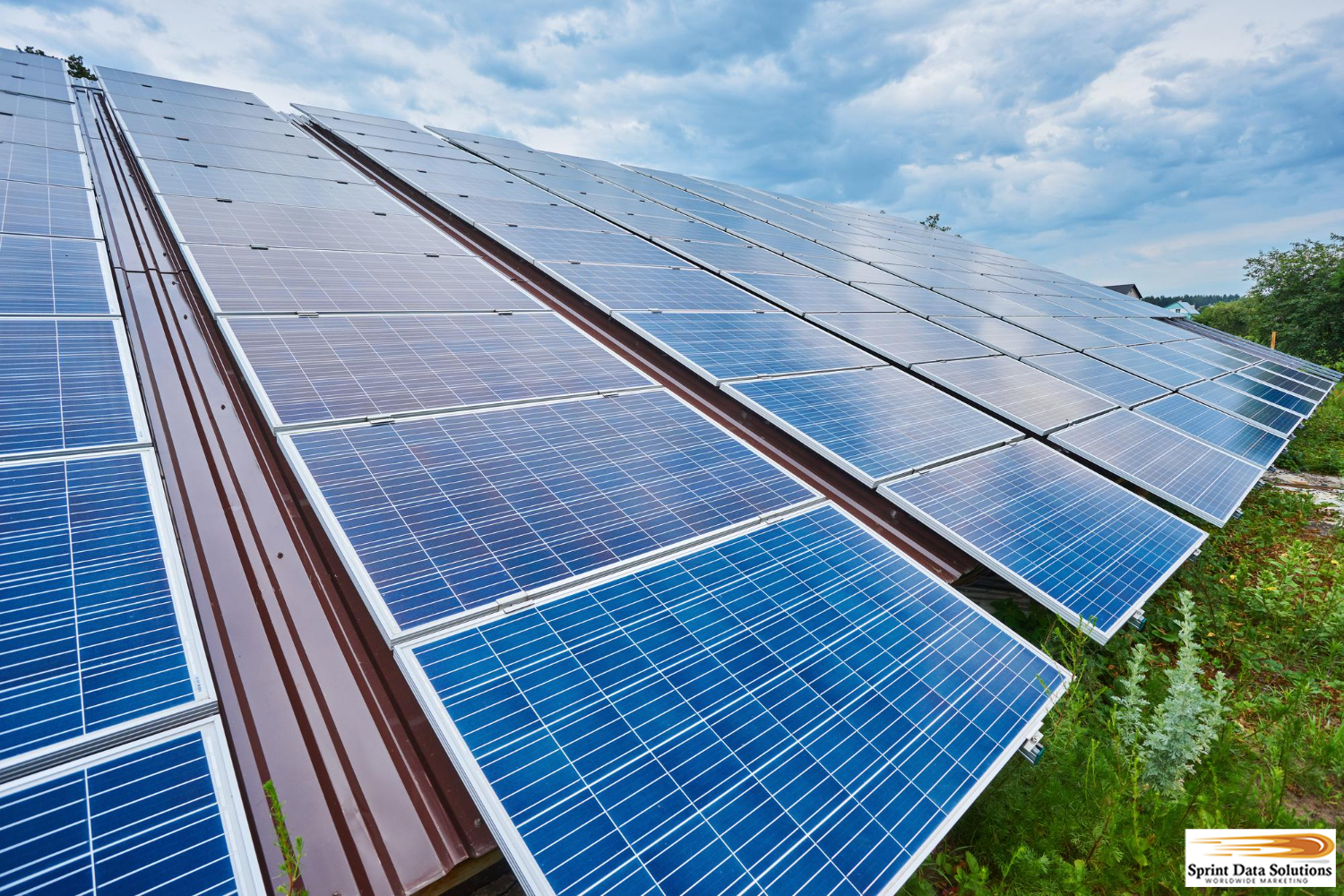
Solar power, while often perceived as a modern innovation, has a long history of development and application. The fundamental concept of harnessing solar energy dates back to early experiments in the 19th century. However, the practical use of solar technology for generating electricity began to take shape in the mid-20th century. By the 1980s, the technology had progressed to the point where less efficient solar cells were being used to power small devices like calculators, demonstrating their potential even with relatively modest performance.
The challenge of scaling solar technology to meet larger energy demands was significant. Early solar farms required expansive areas to accommodate extensive arrays of solar panels. These installations often employed advanced techniques for their time, such as motorized mirrors, or heliostats, to concentrate sunlight onto the panels, maximizing energy absorption. Such large-scale projects necessitated ideal locations with ample sunlight and flat terrain, leading to the establishment of early solar farms in vast, open spaces like the deserts of California.
As the technology evolved, so did the scale and efficiency of solar power systems. Advances in photovoltaic cell design, materials, and manufacturing processes have dramatically improved the efficiency and cost-effectiveness of solar panels. Modern solar farms now utilize sophisticated tracking systems that adjust the angle of the panels to follow the sun, further enhancing energy capture. The continued development in solar technology, including innovations in energy storage and integration, has made it a viable and increasingly prevalent source of renewable energy, transforming it from a niche application into a cornerstone of sustainable power generation.
Today, the landscape of solar power has transformed significantly, with advancements in solar cell technology making it easier to generate substantial amounts of electricity from relatively modest setups. Modern solar panels are engineered to be highly efficient, converting a greater percentage of sunlight into usable electrical energy. This has revolutionized the application of solar technology, enabling smaller panels to meet the energy needs of typical households.
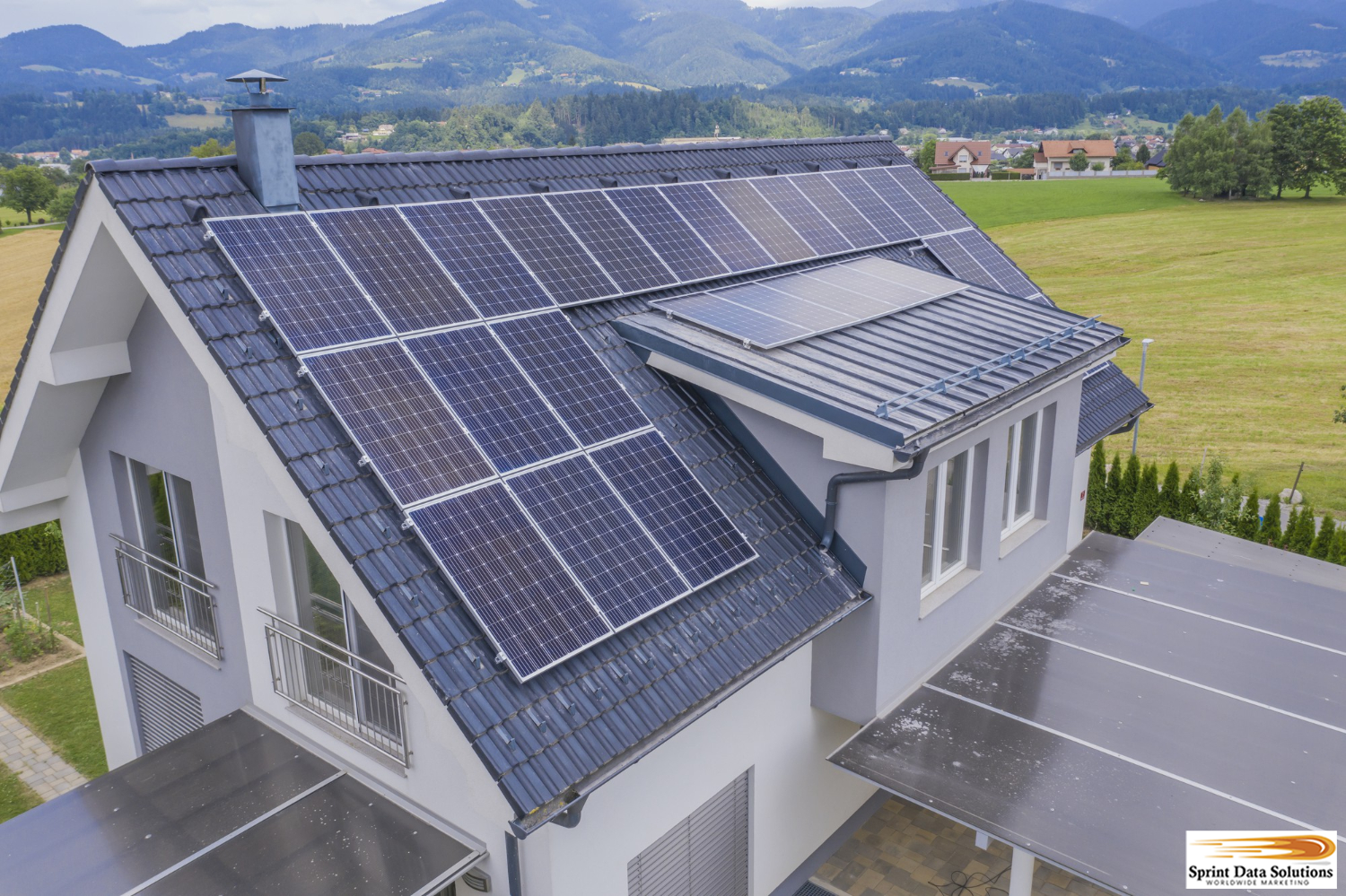
For instance, contemporary solar panels can be installed on the roof of an average-sized home and produce enough electricity to cover all the household’s energy requirements. In many cases, these systems generate surplus power that can be fed back into the local electrical grid. This not only helps reduce the homeowner’s utility bills but can also provide financial benefits through subsidies or even small income streams, depending on the agreements with the local power provider. This evolution in solar technology has made it possible for residential users to contribute to the grid while enjoying the economic and environmental benefits of renewable energy.
As a means of generating “free” electricity once installed, solar power has come a long way, and there is more interest in it for several reasons.
A Stable Alternative
One of the key advantages of solar power compared to other energy sources is its exceptional reliability and stability. Unlike some renewable energy systems, such as wind power, which can experience variability due to inconsistent wind speeds, solar panels provide a more dependable solution. While solar panels are less effective on overcast or rainy days, they still produce electricity, albeit at reduced efficiency, ensuring a consistent supply of power under a range of weather conditions.
Moreover, solar power offers significant economic stability. Properties equipped with solar energy systems can substantially reduce or even eliminate their dependence on conventional electricity from the grid. This shift not only lowers utility costs but also provides the opportunity to contribute surplus energy back to the grid, potentially generating income or receiving financial incentives depending on local regulations and utility agreements.
In contrast, traditional energy sources like oil and natural gas are subject to market fluctuations influenced by geopolitical events, trade policies, and changes in supply and demand. These factors can lead to unpredictable price hikes and financial instability. Solar power, with its ability to offer long-term cost savings and insulation from volatile energy markets, presents a stable and attractive alternative for homeowners and businesses alike. By mitigating the risks associated with fluctuating energy prices, solar power enhances financial predictability and provides a sense of security in an ever-changing economic landscape.
Another significant benefit of solar power is the enhanced independence it provides. Unlike traditional electrical grids, which can be vulnerable to outages and disruptions, solar panel systems offer a reliable source of power even when the grid is down. During a power outage, whether due to severe weather, technical issues, or other disruptions, properties equipped with solar energy systems can maintain operation. This means essential functions like lighting, air conditioning, and computers remain active, providing a critical advantage during extended blackouts.
Moreover, solar power systems do not require fuel to generate electricity, unlike portable generators which need regular refueling. This autonomy ensures that property owners have uninterrupted access to energy without the logistical challenges of fuel management. Solar panels harness sunlight to produce electricity, which can be stored in batteries for use during outages. This capability enhances energy resilience and provides peace of mind, knowing that essential services and operations can continue regardless of the status of the local power grid. For both residential and commercial properties, solar energy offers a dependable and self-sufficient solution to maintaining power continuity in any situation.
It’s Not Just Homes
While solar panels are a popular choice for private residences, their benefits extend far beyond just homes. Businesses across various sectors stand to gain significantly from adopting solar energy, experiencing both immediate and long-term advantages. Investing in solar power can lead to substantial financial benefits and operational improvements. Here are some types of businesses that can particularly benefit from transitioning to solar energy:
Manufacturing
Manufacturing facilities present two compelling reasons for adopting solar power: ample roof space and high electricity consumption. These characteristics make them particularly suited for benefiting from solar energy. The expansive roof areas of manufacturing plants provide a vast, underutilized surface ideal for deploying large arrays of solar panels. By covering these extensive roofs with solar panels, manufacturing facilities can harness significant amounts of solar energy.
The substantial electricity demands of manufacturing operations further highlight the advantages of solar power. Manufacturing processes often require continuous, high levels of energy for machinery, lighting, climate control, and other operational needs. By installing solar panels, facilities can dramatically reduce their dependence on the local power grid, leading to significant savings on electricity costs.
Although the initial investment in solar panel installation might seem considerable, the long-term financial benefits quickly outweigh the costs. Solar power systems can generate substantial amounts of electricity, reducing or even eliminating electricity bills. This shift not only lowers operational expenses but also enhances financial stability and cost efficiency, which is crucial for maintaining a healthy bottom line.
Additionally, by mitigating the impact of fluctuating energy prices and providing a reliable source of power, solar panels contribute to a more predictable and stable cost structure. This financial predictability can be a game-changer for manufacturing businesses, allowing them to allocate resources more effectively and invest in growth opportunities. In summary, the combination of extensive roof space and high energy consumption makes manufacturing facilities ideal candidates for solar power, offering substantial economic and operational benefits.
Livestock
Farming and agriculture are integral to American life and industry, with livestock operations exemplifying the critical need for reliable electricity. For many livestock facilities, especially those housing animals like chickens, maintaining controlled environments during colder months is essential. Heating these large spaces can become a substantial financial burden. Solar power offers a practical and effective solution for mitigating these costs.
Livestock facilities often feature large, flat roofs that are ideal for solar panel installations. By utilizing these expansive, otherwise unused roof areas, solar panels can generate significant amounts of electricity. This energy can be used to offset heating expenses and maintain the necessary temperature conditions for livestock, such as incubating eggs or providing warmth to young animals.
The financial benefits of solar power for agricultural operations extend beyond just heating costs. By reducing reliance on traditional energy sources, which are subject to market fluctuations and rising prices, solar energy offers stability and predictability in energy expenses. The initial investment in solar panel systems can be substantial, but the long-term savings on energy bills can quickly make up for this outlay. In addition to lowering operational costs, solar power contributes to a more sustainable farming operation, reducing the environmental impact and enhancing the overall efficiency of the facility.
Overall, integrating solar power into livestock operations not only helps manage heating costs but also improves financial stability and supports the long-term viability of agricultural businesses. The return on investment can be significant, making solar energy a valuable asset for modern farming practices.
Commercial
Solar power offers significant advantages not only to industrial businesses but also to a wide range of white-collar enterprises, including those in the technology and services sectors. Office buildings, which are heavily dependent on electricity for their daily operations, can particularly benefit from solar energy. While office equipment such as computers, photocopiers, telephones, and lighting may not have the high power demands of industrial machinery, they still represent a continuous drain on electricity throughout the workday.
Installing solar panels on the roofs or grounds of office buildings can lead to substantial reductions in energy costs. The more extensive the solar panel installation, the greater the potential savings on electricity bills. For businesses with significant energy usage, a well-designed solar power system might even enable them to operate independently of the traditional power grid. This transition to solar energy can provide a complete solution for meeting all electricity needs.
In addition to the immediate financial benefits, such as reduced utility bills and potential tax incentives, solar power can enhance a company’s sustainability profile. Embracing renewable energy demonstrates a commitment to environmental responsibility, which can improve a business’s reputation and appeal to eco-conscious clients and employees.
The initial investment in solar panels can be offset by long-term savings, and the return on investment becomes more apparent as energy costs decrease. For many businesses, the ability to operate with a reliable, renewable energy source offers not only financial stability but also strategic advantages in terms of operational independence and corporate sustainability goals.
Retail
Retail businesses, particularly those with larger facilities like shopping malls or big box stores, typically use substantial amounts of electricity. This is due to various needs, including lighting, security systems such as surveillance cameras, and anti-theft devices. For these types of properties, the benefits of installing solar panels can be significant.
Many retail properties have expansive roof areas that are underutilized aside from their basic function of protecting the building from the elements. By installing solar panels on these large, unused roof spaces, businesses can harness a considerable amount of solar energy. This not only reduces reliance on external power sources but also contributes to substantial savings on utility bills.
The advantages of solar power for retail operations are particularly pronounced. Solar energy offers a reliable and consistent power source, which translates into fixed savings and predictable energy costs. The scale of implementation—whether partial or complete—can result in a dramatic reduction in utility expenses. In some cases, a well-designed solar power system may even achieve complete energy self-sufficiency, turning energy costs into savings and eliminating them as an operational expense.
This shift to solar power not only enhances financial performance by reducing overhead costs but also adds value to the business by improving its sustainability profile. The reduction in energy expenses can have a significant positive impact on long-term financial performance, making solar energy a strategic investment for retail businesses looking to optimize their operational efficiency and overall profitability.
Residential
Solar power has proven to be a transformative solution in the residential sector, addressing the challenges of fluctuating electricity costs and unpredictable utility bills. With utility rates varying significantly from one region to another, and often influenced by complex pricing structures, homeowners frequently face uncertainty regarding their electricity expenses. Solar power provides a stable and predictable alternative, offering several key benefits.
By installing solar panels, homeowners can significantly reduce their dependence on traditional power grids and mitigate the impact of variable utility rates. Solar energy systems generate electricity during the day, which can be used immediately or stored for later use. This eliminates the need to monitor peak hour pricing and adjust usage patterns to avoid higher costs.
For nighttime energy needs, solar power systems can be paired with battery storage solutions. These batteries store excess electricity generated during sunny periods, enabling homeowners to use solar energy even after the sun has set. This integration of solar panels and battery storage offers a high degree of energy independence, allowing residents to maintain a consistent power supply without relying on external energy sources.
The ability to produce and store solar energy enhances financial predictability and stability. Homeowners can avoid the uncertainty of fluctuating utility bills and potentially achieve complete energy independence. The initial investment in solar technology can be offset by long-term savings on electricity costs, making it a financially viable and environmentally friendly option. Overall, solar power offers homeowners greater control over their energy expenses, contributes to energy self-sufficiency, and provides peace of mind amidst the variability of traditional utility pricing.
Rural Residents
Solar power generation proves to be especially valuable for individuals living in rural areas, where access to reliable electrical power can be more challenging. While some rural properties may have connections to the electrical grid, the response time for restoring power during outages can be significantly longer compared to more urban areas. Rural locations often face delays in pinpointing and fixing issues due to their distance from utility infrastructure and the complexity of tracing outages in expansive regions.
Solar panels offer a robust solution for overcoming these challenges. By generating electricity from sunlight, solar power systems provide a dependable energy source that is independent of the grid. This is particularly advantageous during power outages caused by storms, wildfires, or other environmental factors that frequently impact rural areas. With a properly designed solar setup, including battery storage, homeowners can maintain access to electricity even when the rest of the community is without power.
The ability to generate and store solar energy means that rural residents can enjoy a continuous power supply, contributing to their comfort and security during extended outages. Solar power systems can be tailored to meet the specific needs of rural homes, providing a reliable source of electricity for essential functions such as lighting, heating, refrigeration, and communication devices.
Overall, solar power not only enhances energy resilience for those in remote or underserved areas but also offers long-term savings and independence from fluctuating grid reliability. By investing in solar technology, rural homeowners can achieve greater self-sufficiency, reduce their vulnerability to power disruptions, and ensure consistent access to energy regardless of the status of the local power grid.
And it’s here, in reaching out to these customers and businesses, that Sprint Data Solutions Worldwide Marketing can make a difference.
Who Is Sprint Data Solutions Worldwide Marketing?
Sprint Data Solutions Worldwide Marketing is a distinguished American-owned and operated enterprise, established in Las Vegas, Nevada, by a dedicated disabled veteran. The company has built a strong reputation for its commitment to quality and exceptional customer service, driving its steady growth and success over the years. With a team that collectively brings over 50 years of marketing experience, Sprint Data Solutions has become a leader in the industry.
Originally specializing in direct mail marketing, Sprint Data Solutions leveraged its expertise in database collection, management, and analytics. This foundational skillset proved invaluable as the company transitioned into the digital marketing realm. By adopting digital marketing strategies early on, Sprint Data Solutions gained a competitive edge, delivering significant benefits to its clients through innovative and effective solutions.
As the company grew, so did its service offerings. What began as a focus on local marketing in Nevada expanded to cover the entire United States, including Alaska and Hawaii. Sprint Data Solutions then broadened its reach to encompass all continental markets, extending its services to Canada and Mexico. The company’s international ambitions continued, and it now offers access to European Union markets, including key countries like France.

How We Can Help
Sprint Data Solutions Worldwide Marketing has dedicated years to meticulously building an extensive collection of databases rich in contact information. This effort is complemented by strategic alliances with reputable database providers, significantly expanding the breadth and depth of potential contacts available. The company prioritizes ethical and legal data collection practices, ensuring that all information is gathered through transparent and legitimate means. Methods include opt-in programs for newsletters, account registrations on websites, subscriptions to services, participation in surveys, and contributions of business cards for data usage.
A key aspect of Sprint Data Solutions’ approach is the dynamic management of its databases. Unlike static records, the company treats its databases as living documents that undergo continuous updates and verification. This proactive maintenance process is crucial for maintaining data accuracy and relevance. For instance, student databases are regularly refreshed to reflect graduation and other transitions, while employee records are updated to account for job changes or resignations. Similarly, senior citizen databases are adjusted to account for passing away.
This ongoing diligence ensures that the contact details provided to clients are current and accurate, preventing the distribution of marketing materials to outdated or non-existent addresses. By employing rigorous data validation and updating processes, Sprint Data Solutions Worldwide Marketing upholds the integrity of its databases, delivering high-quality, reliable contact information that supports effective and targeted marketing campaigns.
Having access to a large database is only part of the success equation for Sprint Data Solutions Worldwide Marketing. To truly leverage the potential of its extensive contact collections, the company employs advanced artificial intelligence and machine learning systems for sophisticated data analytics. These technologies allow for the strategic organization and analysis of data, transforming a broad pool of names, addresses, and contact details into highly relevant, actionable insights.
Rather than delivering a generic list of contacts, Sprint Data Solutions utilizes AI-driven algorithms to filter and refine the data according to specific client needs. This approach ensures that marketing efforts are targeted and effective. For instance, if a client requires contacts within a particular geographic region, the AI systems can tailor the database to meet these precise requirements. Whether the goal is a nationwide campaign or a more localized initiative, the data can be segmented and refined to match the desired scope.
Clients can specify their geographic targets with remarkable precision. For large-scale campaigns, the database can be scaled to cover broad regions or entire countries. Conversely, for more focused efforts, the system can narrow down the data to specific regions, states, or even individual cities. For example, a client might choose to target the New England area, then drill down further to focus solely on Massachusetts, and eventually zero in on a specific city such as Boston. Within Boston, the targeting can be as granular as a particular neighborhood, like Beacon Hill.
This level of customization not only enhances the relevance of the marketing outreach but also improves the efficiency and effectiveness of the campaigns. By leveraging AI and machine learning to analyze and refine data, Sprint Data Solutions Worldwide Marketing ensures that clients receive highly targeted contact lists that drive better results and maximize the impact of their marketing strategies.
Another critical aspect of Sprint Data Solutions Worldwide Marketing’s approach is the ability to categorize and segment data based on a wide range of demographic characteristics. This level of granularity allows for highly targeted marketing campaigns that resonate more effectively with specific audience segments.
Demographic filtering is a powerful tool for tailoring marketing efforts to meet the unique preferences and needs of various groups. For instance, if a product or service has a particular appeal to Latin American communities, the database can be filtered to include contacts from this ethnic group, ensuring that the marketing message reaches those most likely to engage with it. Similarly, campaigns with a focus on faith-based communities can target specific affiliations, such as the Catholic community, by selecting contacts who have expressed religious interests or affiliations.
Economic classifications add another layer of precision. For products or services that cater to high-net-worth individuals, the database can be segmented to include only those with higher income levels or financial profiles. This segmentation ensures that marketing efforts are directed towards individuals who are most likely to have the financial capacity and interest in the offerings.
Further refining targeting capabilities, demographic data can also be sorted by age groups, allowing for campaigns that are relevant to different life stages. For example, marketing strategies for retirement planning services would be tailored specifically to older age groups. Additionally, for health-related products or services, the database can include individuals with specific conditions such as diabetes, ensuring that the messaging is relevant to those managing such health concerns.
This comprehensive approach to demographic categorization results in highly targeted marketing campaigns that drive higher engagement, interest, and response rates. By leveraging detailed demographic insights, Sprint Data Solutions Worldwide Marketing enables clients to connect with the right audiences, improving the effectiveness of their marketing initiatives and achieving better outcomes.
Database Formats & More
Sprint Data Solutions Worldwide Marketing offers versatile solutions for providing contact details in any format necessary to execute a successful marketing plan. Whether your strategy involves direct mail, digital marketing, telemarketing, or SMS/text messaging, we can supply the appropriate data to meet your needs.
For direct mail campaigns, we provide physical mailing addresses tailored for both general consumers and businesses. This ensures that your marketing materials reach your target audience efficiently and effectively. In the realm of digital marketing, we offer email addresses for consumers and B2B contacts. For B2B campaigns, we specifically target decision-makers within corporations, ensuring that your message reaches the individuals with the authority to act on it.
For telemarketing efforts, we supply phone numbers, including residential contacts for consumer outreach and business numbers for B2B campaigns. We also offer cellular numbers for SMS/text messaging marketing, providing a direct and immediate way to engage with potential customers.
In addition to these standard services, we offer specialized turnkey direct mail solutions for companies that wish to manage a direct mail campaign but may lack the experience or resources to do so. Our turnkey service includes comprehensive support throughout every stage of the campaign, from concept and design to printing, manufacturing, and distribution. By handling all aspects of the direct mail process under one roof, we eliminate the need for clients to source and vet multiple vendors, streamlining the entire operation and ensuring a cohesive and efficient campaign.
If you are looking to connect with customers or clients in the solar power industry or related sectors, Sprint Data Solutions Worldwide Marketing is here to assist. We provide the high-quality leads and comprehensive support needed to drive impactful marketing campaigns and achieve your business objectives. Contact us to access the leads that can make a significant difference for your marketing strategy.