


RV Owners Are A Perfect Market For Your Business
Recreational Vehicle (RV) owners fall into two distinct categories, each with their unique reasons for embracing the RV lifestyle.
The first category includes those who view RV ownership as a gateway to adventure and exploration. These individuals cherish the freedom of creating their own travel plans, enjoying the comforts of home while on the road, and even bringing their pets along for the journey. They revel in the opportunity to visit state and national parks, discover off-the-beaten-path destinations, and experience the diverse landscapes and attractions that the country has to offer. For them, RV travel is about the joy of discovery and the flexibility to roam at their own pace.
The second category comprises those who have chosen to live in their RV full-time. For some, RV living provides an affordable housing solution in their dream locations, allowing them to enjoy picturesque settings without the burden of a traditional mortgage. Others are drawn to the RV lifestyle for its ability to offer a change of scenery with the seasons, moving from place to place to experience different climates and environments. Additionally, the minimalistic lifestyle associated with RV living appeals to those who seek simplicity, ease, and the freedom to downsize their possessions while still enjoying the convenience and mobility that an RV provides.
RV owners represent a valuable market for a wide range of businesses, whether they are adventure-seekers or full-time RV residents. Both types of RV owners require various goods, products, and services tailored to their unique lifestyles. Reaching them effectively is key to tapping into this niche market.
Our RV owners list is an excellent resource to get started. It provides comprehensive and detailed information, allowing you to connect directly with RV owners. This targeted list can help you promote your offerings to individuals who are actively engaged with the RV lifestyle, ensuring your marketing efforts are both efficient and impactful.
More People Are Buying RVs Every Year
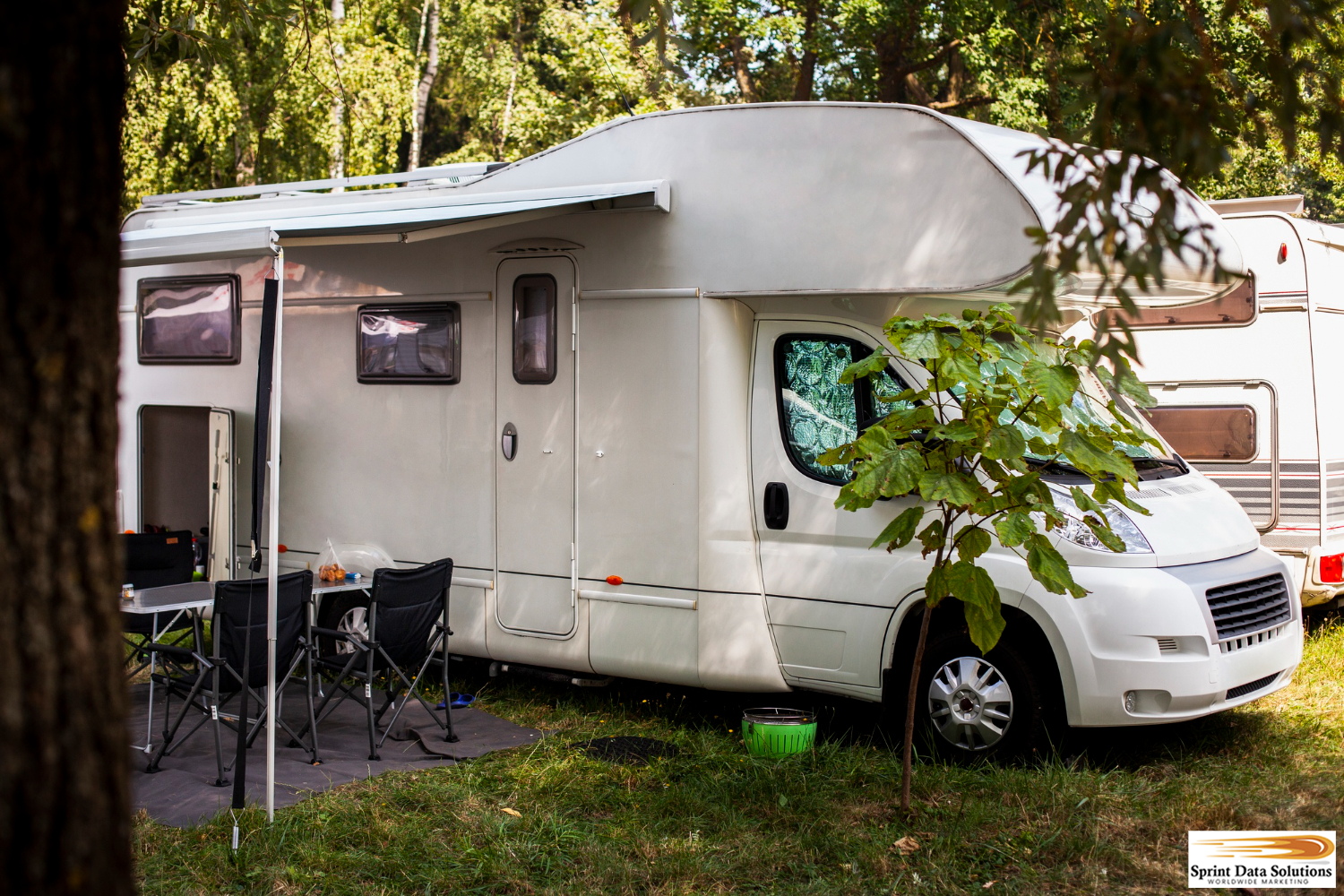
The popularity of RVs is surging year after year, reflecting significant trends and shifts in consumer preferences. As of the latest statistics, there are approximately 11.2 million RV-owning households in the United States. Additionally, 9.6 million households have shown interest in purchasing an RV within the next five years, underscoring a growing enthusiasm for the RV lifestyle.
From 2001 to 2021, RV ownership in the U.S. skyrocketed by over 62%, demonstrating a robust and expanding market. In 2021, the RV industry was valued at $33.95 billion, with projections indicating it will reach $59.16 billion by 2027, growing at a compound annual growth rate (CAGR) of 9.7%. This growth is primarily driven by a surge in camping activities and the increasing appeal of RVs as a versatile travel and living option.
The RV trend is particularly popular among millennials, who are attracted to the van life and off-grid living movements showcased prominently on social media. The appeal of RVs is further amplified by their role as an affordable housing alternative and the integration of new technologies such as solar power, satellite communications, and remote work capabilities. These advancements are making RVs more accessible and attractive to a broader audience, fueling continued growth in the RV market.
Valuable Demographics Of RV Owners
The demographic landscape of RV ownership reveals a rich and diverse market with notable trends. The majority of RV owners are aged 55 and older, reflecting the appeal of RVs as a retirement lifestyle choice. However, the RV market is seeing a dynamic shift, with 34% of RV owners being between the ages of 18 and 54.
Among RV owners, a significant proportion are retired, with only 30% engaged in full-time employment. Despite this, younger generations are increasingly entering the RV market, with Gen Z and Millennials representing a rapidly growing segment. Notably, 22% of RVs are now owned by individuals aged 18 to 34, highlighting a shift towards a younger, more adventurous demographic.
Family dynamics also play a role in RV ownership. A significant 77% of RV owners do not have children living at home, indicating that RV travel and living are often pursued by adults without dependent children. Gender distribution shows that 59% of RV owners are female, while 40% are male.
In terms of financial standing, 54% of RV owners have a household income exceeding $65,000, reflecting a strong economic base among RV enthusiasts. This income level supports the affordability of RV ownership and the associated lifestyle benefits.
The RV ownership landscape in the United States is marked by distinct regional patterns and usage trends. The states with the highest concentration of RV owners include Indiana, California, and Texas, each benefiting from a combination of favorable climates, ample space, and RV-friendly infrastructure.
In terms of purchasing trends, certain states attract RV buyers due to tax advantages. Alaska, Delaware, Montana, New Hampshire, and Oregon are popular for RV purchases because they impose no sales tax, making them attractive options for those looking to save on their investment.
Usage patterns reveal that RV owners typically use their vehicles for an average of 20 days per year. Within this group, 39% are classified as casual campers, enjoying RV outings on a less frequent basis. Family camping, which involves more frequent use, represents 33% of RV owners. A smaller segment, approximately 1.5%, chooses to live in their RV full-time, reflecting a commitment to the RV lifestyle that often includes embracing travel and minimalist living.
Of those who live in their RVs year-round, 70% are women, highlighting a significant demographic among full-time RV dwellers. This statistic underscores the appeal of RV living as a viable lifestyle choice for a diverse range of individuals.
RV Owners Are An Ideal Target For Many Industries
RV owners are a diverse group with a broad range of needs extending far beyond their vehicles. They require a variety of goods, products, and services across multiple industries to enhance their RV experience and lifestyle.
Here are just some of the industries that will benefit from our RV owners list.
Insurance
In the world of RV insurance, having adequate coverage is crucial. All states mandate a minimum level of liability insurance, but many RV owners opt for a more comprehensive policy. This often includes property damage (PD) and bodily injury (BI) coverages, providing essential protection in case of accidents. For those who live in their RVs full-time, “full coverage insurance” is a popular choice, encompassing both comprehensive (comp) and collision (coll) insurance to safeguard against a wide range of incidents.
In addition to these core coverages, RV owners frequently enhance their policies with various add-ons. Uninsured/underinsured motorist (UM/UIM) coverage offers protection if you’re involved in an accident with a driver lacking adequate insurance. Medical payments (med pay) coverage helps cover medical expenses for you and your passengers, while roadside assistance ensures help is available in case of emergencies on the road.
Other valuable add-ons include vacation liability, which covers incidents that occur while you’re away from home, personal effects coverage for your belongings inside the RV, and towing coverage for unexpected breakdowns. These additional coverages provide peace of mind, ensuring that you and your RV are well-protected wherever your travels may take you.
Travel And Tourism
RV enthusiasts have an unparalleled love for travel, and their journeys often lead them to some of the most breathtaking destinations. National parks, state parks, and national forests offer a treasure trove of natural wonders, from towering mountains and sprawling forests to serene lakes and majestic waterfalls. These natural landscapes are perfect for RV travelers who seek both adventure and tranquility in their explorations.
Beyond these pristine natural settings, RV owners also have a penchant for discovering diverse accommodations. Whether it’s a private RV resort with premium amenities or a public campground with rustic charm, there’s an array of options to suit every traveler’s preferences. These accommodations provide essential services and convenient access to local attractions, enhancing the overall travel experience.
In addition to natural and camping destinations, RV travelers delight in exploring quirky roadside attractions and charming small towns. From giant roadside sculptures to historic landmarks, these unique stops add an element of fun and discovery to their journeys. Such attractions often become highlights of their trips, providing memorable experiences and photo opportunities.
Tourism companies can greatly benefit from catering to the RV community, as these travelers already have their transportation and lodging covered. This presents a prime opportunity to offer targeted services, guided tours, and local experiences tailored to RV enthusiasts. Adventure tour companies, in particular, can thrive by appealing to RV owners, especially those with toy haulers who are equipped for outdoor adventures like off-roading and biking. By tapping into the RV travel market, businesses can connect with a passionate audience eager to explore and enjoy new destinations.
Trucks And Other Towing Vehicles
RV trailer owners require robust towing vehicles to handle the demands of towing. Typically, these are large trucks with high towing capacities, designed to manage the weight and stress associated with hauling trailers. Additionally, SUVs and Jeeps are popular choices for their towing capabilities and off-road versatility, making them ideal for both rugged terrain and towing needs. To tow effectively, vehicles must be equipped with appropriate hitches and towing packages. Auto dealerships that specialize in these tow-capable vehicles can significantly benefit from understanding these needs, offering tailored options and expert advice to meet the specific requirements of RV and trailer owners.
Navigation Devices
During their travels, RV owners rely on various navigation tools to guide them. The most common tools include in-dash navigation systems and smartphones, which provide convenient access to maps, directions, and real-time traffic updates. However, RV enthusiasts who venture off the beaten path often turn to satellite navigation technology. This is especially useful for those traveling through remote areas where cellular service is limited or non-existent. Satellite-based navigation systems offer reliable, global coverage, ensuring that RV owners can maintain accurate direction and location information even when they are far from conventional service areas.
Off-Grid Technology
Off-grid technology has become a staple for RV owners seeking to enhance their self-sufficiency and sustainability. This trend is particularly strong among Millennials and those who own Class B campervans, where compact and efficient systems are crucial. Popular technologies include high-efficiency solar panels that provide reliable power, advanced water filtration systems that ensure clean drinking water, and signal antennas that maintain connectivity in remote areas. Additionally, drivers of toy haulers often invest in off-grid solutions to enjoy modern conveniences while stationed at base camps. Innovations like composting toilets and gray water systems are also gaining traction, as RV enthusiasts increasingly prioritize eco-friendly and green alternatives to traditional household amenities. These advancements not only improve the comfort and functionality of RV life but also align with a growing desire for sustainable living practices.
Internet Accessibility Technology
For RV owners living full-time in their vehicles, reliable internet access is essential, especially as remote work becomes increasingly common among the campervan community. Satellite internet and television services are highly sought after for their broad coverage and consistent connectivity. To enhance signal strength and maintain stable connections, many RVers invest in signal-boosting antennas, cellular internet equipment, and mobile hot spots. These technologies are crucial for remote workers who need dependable internet access while traveling. Internet service providers have an opportunity to cater to this market segment by offering tailored solutions that address the unique connectivity needs of RV dwellers. Many RV owners use multiple internet providers to ensure comprehensive coverage across different regions, reflecting a growing demand for flexible and reliable internet options that support both work and leisure while on the road.
Outdoor Outfitters
RV owners have a deep appreciation for the great outdoors, which drives their enthusiasm for a range of outdoor vehicles and equipment. To fully embrace their adventurous lifestyle, they often invest in off-road vehicles such as mountain bikes, dirt bikes, enduro motorcycles, and quads, which allow for exploration of rugged terrain. Watercraft is also a popular choice, with kayaks, canoes, and jet skis enhancing their experiences on lakes, rivers, and coastal areas.
In addition to vehicles, RV owners equip themselves with a variety of camping gear to ensure comfort and convenience during their trips. High-quality cookware, durable lighting solutions, and versatile camp tools are essential for preparing meals and managing camp tasks. They also invest in tents, awnings, and camping furniture to create a comfortable and functional outdoor living space. For outdoor activities, many RV enthusiasts choose specialized apparel, including hiking boots, moisture-wicking base layers, and rugged cargo pants, to meet the demands of various environments.
Fishing and hunting gear also see considerable interest, reflecting the RV community’s diverse interests and commitment to outdoor sports. This array of equipment and apparel supports a lifestyle centered around exploration, adventure, and self-sufficiency, making every outdoor excursion more enjoyable and fulfilling.
Mechanical Tools
Both motorhome and trailer RV owners commonly carry a range of tools and emergency supplies to handle routine maintenance and unexpected repairs on the road. Many RV enthusiasts prefer to perform maintenance tasks themselves, which leads them to pack comprehensive toolkits. These often include essential items such as tire inflators for quick fixes, battery chargers to keep their power systems operational, and various sensors for monitoring vehicle conditions.
Standard mechanical tools are also crucial, with wrenches, socket sets, and screwdrivers being among the most frequently used. These tools enable RV owners to address common mechanical issues and adjustments that may arise during their travels. In addition to tools, emergency preparedness is a priority, leading many to carry well-stocked emergency kits. These kits typically include fire extinguishers for safety, first aid kits for medical emergencies, and flare guns for signaling in case of roadside distress.
By equipping themselves with these tools and emergency supplies, RV owners can confidently tackle maintenance tasks, ensure their vehicles remain in good working order, and handle any unforeseen situations that may occur while they are on the road. This preparedness is an integral part of the RV lifestyle, allowing for smoother and safer adventures.
Small Kitchen Appliances
Space is at a premium in RVs, so owners continually seek innovative ways to optimize their amenities without sacrificing valuable space. For those who live full-time in their RVs, compact and multifunctional kitchen appliances are a favorite solution. Devices like Instant Pots, air fryers, and microwaves offer versatility and efficiency, enabling them to prepare a variety of meals while saving space compared to traditional large appliances. These appliances are designed to be compact yet powerful, making them ideal for the limited kitchen area in RVs.
On the other hand, RV owners who use their vehicles primarily for recreational purposes often invest in specialized appliances that enhance their leisure experiences. Items such as portable ice makers, margarita machines, and ice cream makers are popular choices. These appliances cater to entertainment and enjoyment, allowing for the creation of cold beverages and frozen treats, which can be particularly appealing during outdoor gatherings and trips.
By carefully selecting and utilizing space-efficient appliances, RV owners can maintain a high level of convenience and comfort in their mobile living spaces, whether they are living in their RV full-time or using it for occasional adventures.
Specialty RV Accessories
RV owners frequently invest in a variety of accessories to enhance their RV experience and ensure their vehicle operates smoothly. Essential items include surge protectors to safeguard electrical systems from power surges, sewage hoses for waste management, and water pressure gauges to monitor and regulate water flow. These accessories help maintain the functionality and safety of the RV’s systems.
Additionally, RV owners often select specialized furniture designed to maximize space and comfort. This includes telescoping tables that can be adjusted or folded to fit the available space, mounted gliders for added relaxation, and memory foam mattresses that offer superior comfort during extended stays. Such furniture not only improves the living experience but also makes efficient use of the RV’s limited space.
For those who own Class B campervans, which have even more constrained space, investments are often focused on modular furniture that can be rearranged or stored away as needed, compact appliances that fit the small interior, and advanced electrical system devices like inverters to manage power needs. These enhancements ensure that Class B RV owners can enjoy both functionality and comfort despite the smaller footprint of their vehicles.
Overall, the selection of these accessories and furniture items reflects a focus on maximizing space, improving comfort, and ensuring the efficient operation of the RV, catering to the diverse needs of RV owners whether they are full-time residents or occasional travelers.
Storage
For RV owners who do not live in their vehicles full-time, finding a secure and suitable storage solution is essential. Self-storage facilities that provide either indoor or outdoor storage options are particularly appealing to this market. Indoor storage offers protection from the elements, helping to preserve the RV’s exterior and interior conditions, while outdoor storage is often a more cost-effective alternative.
To further protect their RVs during storage, owners frequently invest in storage covers, which shield their vehicles from weather damage, UV rays, and debris. Additionally, RV jacks are used to stabilize the vehicle and prevent tire flat spots while it is parked for extended periods.
Security is a top concern for RV owners during storage, so many facilities that cater to this market enhance their offerings with robust security systems. Features such as surveillance cameras, gated access, and alarm systems provide peace of mind that their RVs are secure from theft and vandalism. This focus on security, combined with convenient storage solutions, addresses the needs of RV owners who seek to protect their investment while their vehicles are not in use.
Towable And Drivable RVs
RVs are generally categorized into two primary types: drivable RVs, commonly referred to as motorhomes, and towable RVs. Drivable RVs are self-contained vehicles that can be operated independently, allowing owners to drive from one destination to another without needing an additional vehicle. These motorhomes come in various classes, including Class A, Class B, and Class C, each offering different levels of space, amenities, and luxury.
On the other hand, towable RVs require a separate vehicle to transport them to their destination. This category includes travel trailers, fifth-wheel trailers, and toy haulers, each designed to be towed behind a truck or SUV. Towable RVs are generally more affordable than motorhomes, making them a popular choice for those seeking a cost-effective option. However, within both categories, prices can vary widely based on the features and amenities included.
High-end luxury RVs, whether drivable or towable, come equipped with premium features such as advanced entertainment systems, high-quality finishes, and top-of-the-line appliances. In contrast, more budget-friendly models focus on providing essential comforts and functional design without the extra frills. This diversity in pricing and features allows RV owners to choose a vehicle that best suits their needs, preferences, and budget, whether they prioritize luxury or simplicity.
The Different Types Of RVs
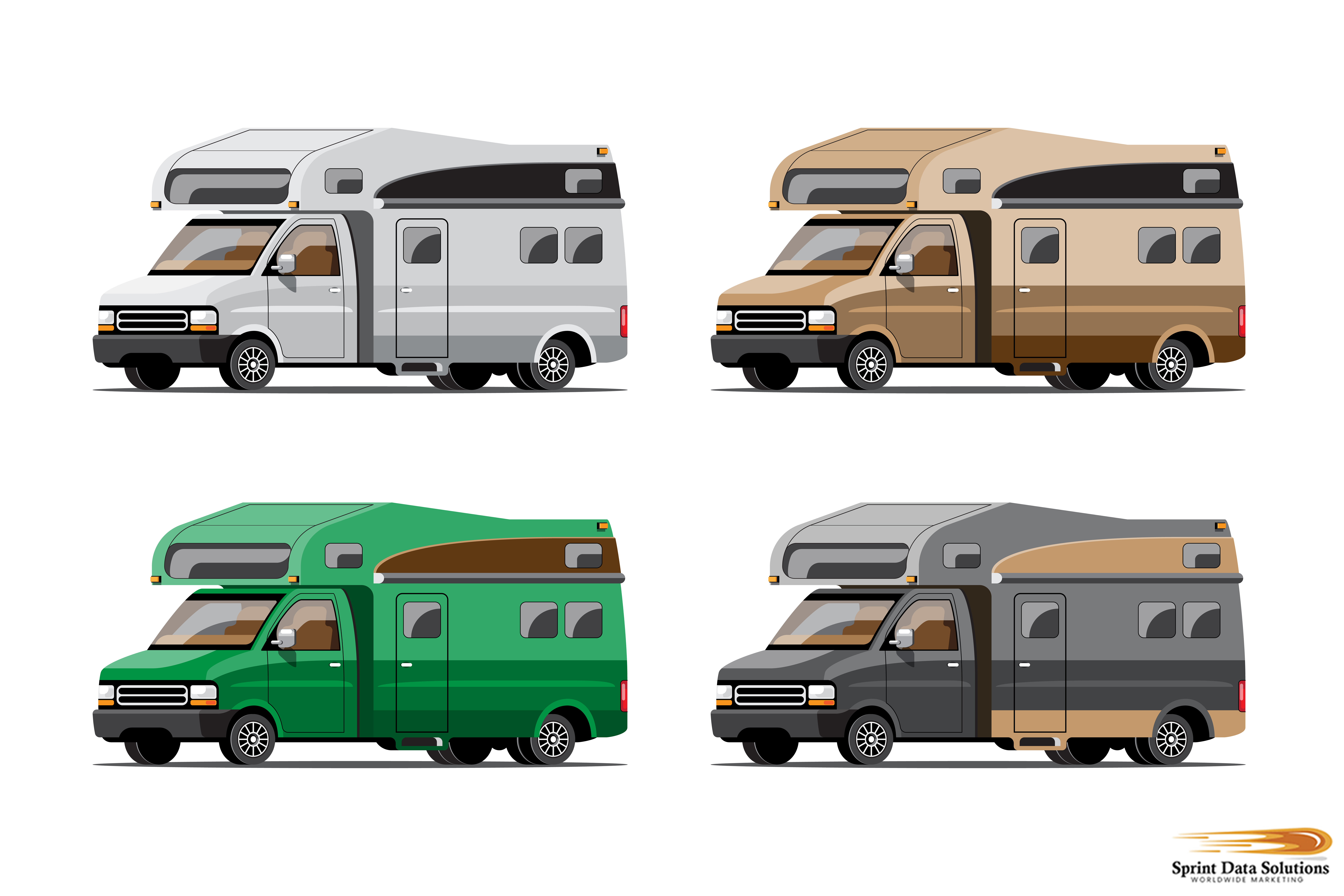
RVs come in a diverse array of types, each tailored to different needs and preferences. Broadly, RVs fall into two main categories: drivable RVs and towable RVs. Drivable RVs, also known as motorhomes, are complete vehicles that allow for independent travel from one location to another. They are available in several classes—Class A, Class B, and Class C—offering varying levels of space, amenities, and comfort.
Towable RVs, including travel trailers, fifth-wheel trailers, and toy haulers, require a separate vehicle for towing. These RVs are generally more affordable compared to motorhomes and provide flexibility in choosing the towing vehicle. They come in a wide range of styles, from basic models focused on essential comforts to high-end units with luxurious features.
Each type of RV is designed with specific functions in mind. Some are optimized for full-time living, equipped with extensive facilities and amenities for extended stays. Others are crafted for recreational use, prioritizing features that enhance the camping experience. This variety ensures that RV enthusiasts can find the ideal vehicle to match their lifestyle, whether they are seeking a luxurious home on wheels or a practical and comfortable camper for weekend getaways.
Class A
Class A RVs are the largest and most luxurious option in the RV market, often resembling the size of a large city bus. They are categorized into two primary types: gasoline-powered and diesel-powered, the latter of which is commonly referred to as “diesel pushers.” Diesel pushers are known for their superior performance and often come with enhanced features compared to their gasoline counterparts.
Class A RVs are designed to offer an exceptional level of comfort and convenience, mimicking the amenities found in a traditional home. They are equipped with residential-style appliances, including washing machines, refrigerators, and ovens. The interiors often feature spacious master bathrooms complete with showers and bathtubs, as well as high-quality furniture that ensures a luxurious living experience. Many Class A RVs also include slide-outs, which can expand the living area by adding additional space when parked.
These RVs provide ample storage options for personal belongings, making them ideal for full-time living. The extensive storage compartments and residential features cater to long-term travelers who require a high level of comfort and functionality. However, due to their size and weight, Class A RVs can be costly to operate and maneuver from one location to another. Despite the expenses associated with driving such a large vehicle, their spacious interiors and home-like amenities make them a popular choice for those who prioritize luxury and convenience in their RV lifestyle.
Class B
Class B RVs, commonly known as camper vans, are particularly favored by Millennials and Gen Z due to their compact size and versatility. These RVs are typically built on a van or truck chassis and are available with either gas or diesel engines. Measuring between 18 to 25 feet in length, Class B RVs are significantly smaller than their Class A counterparts, making them easier to drive and maneuver, especially in urban settings where their discreet appearance is advantageous.
Their compact size does not mean a compromise in functionality. Class B RVs are meticulously designed to maximize space, offering well-planned interiors that include small but efficient kitchens, bathrooms, and living areas. Despite their limited space, they manage to provide essential comforts and amenities, making them suitable for both short-term camping trips and extended travels.
These camper vans are particularly well-suited for exploring both urban environments and remote areas, thanks to their self-contained nature. This self-sufficiency means that they are often equipped with necessary systems for off-grid camping, such as onboard water and power supplies. While many use Class B RVs primarily for camping and road trips, some opt to live in them full-time, appreciating their combination of mobility, convenience, and relatively lower fuel costs compared to larger RV models.
Class C
Class C motorhomes, while similar to Class A models in terms of amenities, are generally smaller and feature a distinctive cabover profile. This design includes a bed or additional storage space located above the driving cabin, optimizing the use of available space. Class C motorhomes offer many of the same conveniences found in Class A models, including fully equipped kitchens, bathrooms, and spacious living areas.
Some Class C RVs come with slide-outs that expand the living space when parked, while others are designed with a static layout. These motorhomes are popular for both full-time living and recreational use. Due to their smaller size compared to Class A RVs, Class C motorhomes are more affordable to operate and maintain. They offer greater maneuverability, allowing them to navigate tighter spaces and fit into a wider range of campsites.
Class C motorhomes are especially favored by families because they provide comfortable accommodations for multiple people. The design often includes additional sleeping areas and versatile living arrangements, making them well-suited for family vacations and extended trips. Their combination of comfort, affordability, and ease of maneuverability makes Class C RVs a popular choice for those seeking a practical yet well-equipped vehicle for both everyday travel and full-time living.
Pop-Up Trailers
Pop-up trailers, also known as folding campers or tent trailers, are specifically designed for camping, offering a blend of convenience and traditional outdoor experiences. These compact trailers are engineered to fold down for easy towing and storage, making them highly portable. Once at the campsite, they can be quickly set up to reveal expandable canvas sides and often additional extensions, creating a comfortable and functional living space.
Pop-up trailers serve as an upgraded version of a tent, providing the ability to sleep off the ground while enjoying the natural surroundings. The canvas sides allow for ventilation and a closer connection to the outdoors, while the added extensions often include areas for sleeping, dining, and storage. This setup provides a comfortable, elevated sleeping arrangement with the option to experience the outdoors more directly than in a traditional RV.
These trailers are particularly popular among families and outdoor enthusiasts due to their affordability and ease of use. They offer a budget-friendly alternative to larger RVs while still providing essential comforts and protection from the elements. The combination of low cost, lightweight design, and the ability to enjoy an enhanced camping experience makes pop-up trailers a favored choice for those seeking a versatile and economical RV solution.
Teardrop Trailers
Teardrop trailers, akin to pop-up trailers in their focus on ease of transport and enhanced camping comfort, are distinguished by their unique teardrop shape. This design not only contributes to their distinctive appearance but also enhances aerodynamic efficiency, making them easier to tow.
Despite their compact size, teardrop trailers are crafted to offer a more comfortable camping experience than traditional tents. They typically feature a streamlined interior with essential amenities. Many models include compact kitchens, which often come equipped with basic cooking facilities and storage, as well as sleeping areas that provide a cozy retreat at the end of a day’s adventure. Some teardrop trailers also offer optional bathroom facilities, though these are usually minimal compared to larger RVs.
The lightweight nature of teardrop trailers makes them suitable for towing by a wide range of vehicles, including smaller cars and SUVs. This versatility, combined with their efficient use of space, makes them an attractive choice for those seeking a blend of comfort and convenience without the bulk of larger RVs. Their functional design allows for a comfortable camping experience while maintaining easy maneuverability and affordability.
Travel Trailers
Travel trailers are the most widely used type of towable RV, favored for their versatility and comfort. These RVs are towed by a hitch attached to a tow vehicle, and they are typically stationed at campgrounds or RV parks. Their popularity extends to full-time living as well as recreational camping, making them a favorite choice for families and frequent travelers.
Travel trailers are designed to provide all the standard comforts of home, including well-equipped kitchens, bathrooms, and modern appliances. The interior layouts often feature spacious living areas, dining spaces, and multiple sleeping arrangements, catering to a variety of needs and preferences. Many models are designed with high-quality materials and finishes, offering a blend of functionality and style.
One of the key advantages of travel trailers is their affordability compared to larger RVs. They offer a cost-effective option for those seeking the comforts of home while traveling, without the higher price tag associated with motorhomes. However, they do require a tow vehicle with a substantial towing capacity to handle their weight and ensure safe transport.
The combination of affordability, comfort, and flexibility makes travel trailers a popular choice for both short-term camping trips and long-term living arrangements. Their ability to provide a home-like environment on the road, along with their relatively lower cost, contributes to their widespread appeal among RV enthusiasts.
Toy Haulers
Toy haulers are specifically designed for outdoor enthusiasts who need to transport recreational equipment along with their living space. These RVs feature a large, versatile garage area that can accommodate various types of outdoor gear, including dirt bikes, 4×4 vehicles, jet skis, and other adventure equipment. Toy haulers are available in different configurations, including as travel trailers and fifth wheels, providing flexibility depending on towing needs and preferences. In addition, some motorhomes are also designed as toy haulers, offering a combination of motorized convenience and ample storage for gear.
Beyond their garage space, toy haulers offer comfortable and well-appointed living quarters. These RVs are designed to support a crew or family, with spacious interiors that often include fully-equipped kitchens, bathrooms, and sleeping areas. Many toy haulers are equipped with features to enhance comfort and convenience, such as built-in entertainment systems and adjustable seating arrangements.
A notable feature of some toy haulers is the built-in deck that can slide out from the rear of the RV. This deck provides an additional space to relax, enjoy the outdoors, and take in the surrounding scenery. This versatility makes toy haulers an excellent choice for those who enjoy activities like hunting, off-roading, and other outdoor sports. By serving as a base camp that combines living comfort with rugged functionality, toy haulers cater to adventurers who want to bring their toys along and enjoy a full range of outdoor experiences.
Fifth-Wheel Trailers
Fifth-wheel trailers represent the largest category of towable RVs, specifically engineered to be towed by a heavy-duty pickup truck. Their design caters to those seeking substantial space and comfort, making them particularly suitable for full-time living. Fifth-wheel trailers are renowned for their expansive interiors, which can offer more living space compared to other towable RV types.
These trailers are equipped with a range of features designed to enhance comfort and convenience. Many models include modern appliances such as full-sized refrigerators, ovens, and dishwashers, as well as advanced electronics for entertainment and connectivity. Additionally, fifth-wheel trailers often come with off-grid capabilities, including solar panels and large water tanks, allowing for extended stays in remote locations without relying on external hookups.
A key feature of many fifth-wheel trailers is their ability to be extended with slide-outs, which expand the living area when parked. This capability allows for a variety of floor plans, including multiple bedrooms, spacious living areas, and large bathrooms. The extensive and flexible interior layouts make fifth-wheel trailers a popular choice for those who desire a home-like environment on the road.
Overall, fifth-wheel trailers combine luxury and practicality, offering ample space and high-end features that cater to both full-time RV living and extended travel. Their design and functionality make them a top choice for individuals and families seeking a comfortable and well-equipped mobile residence.
Truck Campers
Truck campers are designed to fit into the bed of a pickup truck, transforming it into a versatile motorhome. This type of RV offers the convenience and ease of maneuverability associated with motorhomes, while maintaining the affordability and flexibility of a towable camper. By sliding into the truck bed, truck campers provide a compact and practical solution for those seeking a mobile living space without the bulk of larger RVs.
Truck campers are similar to Class B RVs in terms of their compact design and range of amenities. They often include essential features such as a small kitchen, a compact bathroom, and a cozy living area. The sleeping arrangements are typically situated in a cabover profile, positioned above the truck’s cab, which mirrors the design found in Class C RVs. This design optimizes space within the limited footprint of the truck camper, providing a comfortable place to rest while keeping the overall size manageable.
Due to their compact size and ease of transport, truck campers are particularly popular among campers and off-road adventurers. They offer the advantage of being able to access more remote and rugged locations that larger RVs may not reach. This versatility, combined with the practicality of being able to use the truck separately when the camper is not attached, makes truck campers an attractive option for those who value both adventure and mobility.

We Can Help You Tap Into This Growing Market
Founded in Las Vegas by a Service-Disabled Veteran, Sprint Data Solutions Worldwide Marketing is your gateway to accessing a rapidly expanding consumer market. Leveraging one of the largest and most diverse consumer databases available, we specialize in providing targeted marketing solutions that connect you with precisely the right audience. Our extensive range of specialty lists, including detailed segments such as RV ownership, ensures that you can reach consumers with specific interests and needs.
Each of our comprehensive lists is curated to include a rich array of data, encompassing demographic, psychographic, and lifestyle information. This in-depth data allows you to gain a profound understanding of your target audience, enabling you to tailor your marketing strategies effectively. By utilizing our detailed insights, you can craft personalized messaging that resonates with your audience, enhancing the impact of your campaigns.
Sprint Data Solutions Worldwide Marketing is committed to helping you navigate and succeed in the evolving marketplace. Our expertise and extensive resources empower you to optimize your outreach efforts, ensuring that your marketing initiatives are both precise and impactful.
At Sprint Data Solutions Worldwide Marketing, we are committed to delivering the highest quality data for your marketing needs. We employ rigorous collection protocols and thorough vetting processes to ensure that all the information in our lists is current, accurate, and comprehensive. Our commitment to data integrity is reinforced through the use of industry-leading certification systems such as the National Change of Address (NCOA) and the Certified Address Accuracy System (CAAS). These systems help us validate and update our data, ensuring that our lists maintain the highest standards of accuracy.
In addition to these certifications, we conduct multiple in-house screening checks to further enhance the reliability of our data. These checks are designed to identify and correct any discrepancies, ensuring that you receive information that is not only up-to-date but also finely tuned to your targeting needs. By leveraging these quality assurance measures, we help you connect with the most relevant clients, maximizing the effectiveness of your marketing campaigns and boosting your return on investment (ROI).
Our dedication to data quality ensures that every list you receive from us meets the highest standards, empowering you to execute targeted marketing strategies with confidence and precision.
Target The Right RV Owner For Your Campaign
With a high-quality list from Sprint Data Solutions Worldwide Marketing, you can effectively reach your target audience with messaging that truly resonates. Our comprehensive data sets provide you with the insights needed to address your audience’s specific pain points and align your offerings with their needs. Whether you’re planning email campaigns, direct mail initiatives, or other forms of direct customer outreach, our meticulously curated lists are designed to support your efforts and enhance your marketing impact.
When you invest in a list from us, you don’t just receive data—you gain a partner in optimizing your marketing strategy. We provide detailed guidance on how to leverage our data to its fullest potential, ensuring you maximize your return on investment (ROI). Our team will walk you through the features of the list, offering expert advice on how to target the right customers and achieve your marketing objectives.
Ready to elevate your marketing campaigns? Contact us today to get started. Our knowledgeable team at Sprint Data Solutions Worldwide Marketing is here to answer any questions you may have and assist you in finding the perfect list to achieve your goals. Let us help you unlock the full potential of your marketing strategy with our exceptional data solutions.